Physical Intelligence opens Pi API beta to fine-tune and host its robot models
Physical Intelligence opened a Pi API beta on 13 October 2026 that lets robot makers upload data, fine-tune its latest model and run it on a hosted gateway.
By Emre AlemdarPublished
 Tech AI Latest
Physical Intelligence announced a beta of its Pi API on 13 October 2026. Robot makers can upload their own data, launch fine-tuning on infrastructure the company manages, and run the resulting models through a hosted gateway. Partners named include Actor, which runs an autonomous wheel loader, and Almond, whose team iterated with the API for four days. Prices, latency figures and the model version behind the API are not stated.
Key facts
- Announced: 13 October 2026 (Physical Intelligence blog)
- Workflow: upload data, fine-tune on managed compute, run models through a hosted gateway
- Access: beta with a waitlist; terms not published
- Named partners include Actor, Almond, Chef Robotics, CloudChef, Formic Robotics, Ultra and Weave
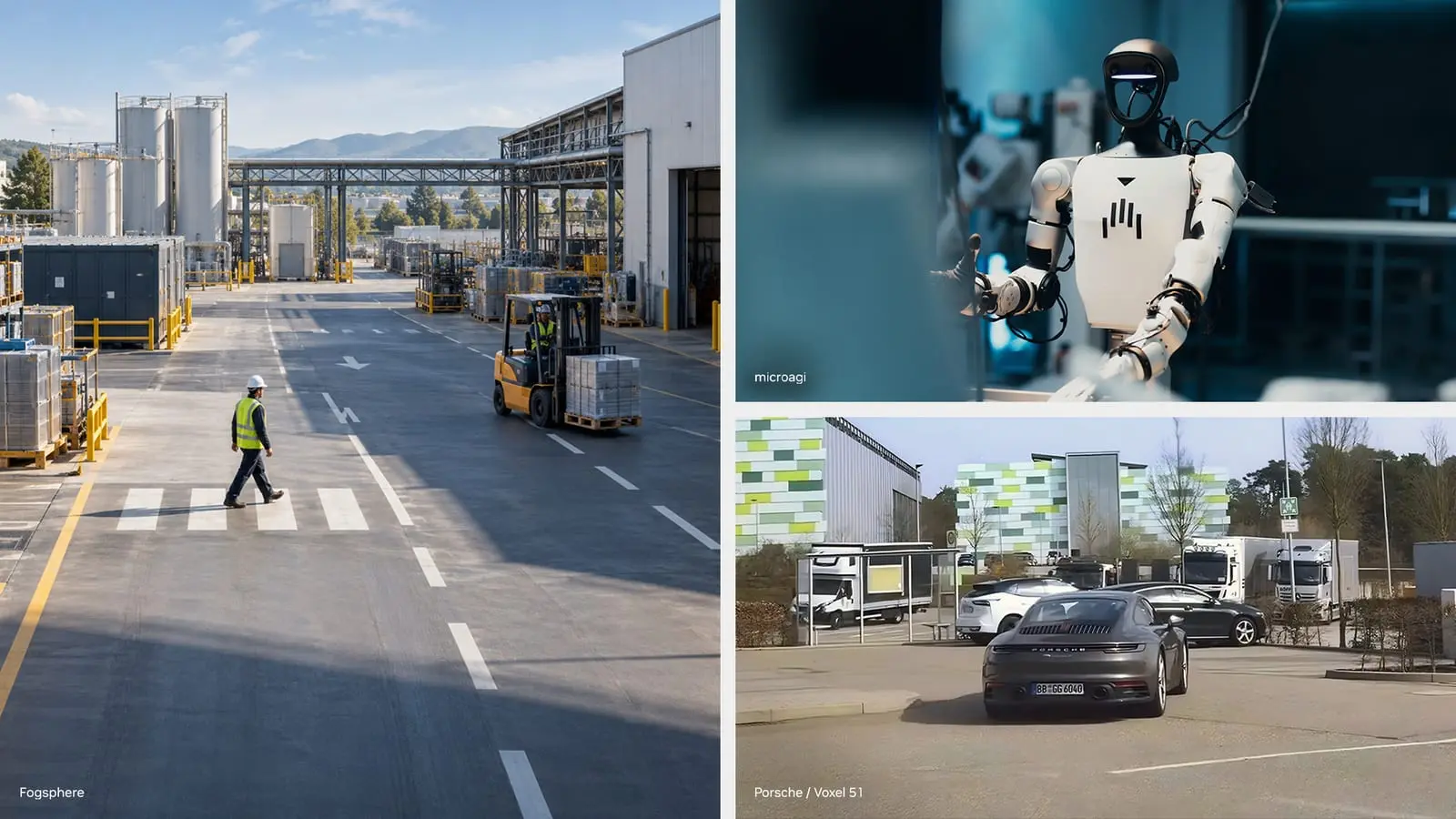
- Deployments ran from Japan to Switzerland and across the United States, mostly with cloud-hosted inference
- Not stated: pricing, latency, the model version behind the API
What Physical Intelligence announced
Physical Intelligence, the company behind the open π0 and π0.5 robot models, announced a beta of its Pi API on 13 October 2026. The API gives outside companies access to its latest models for training and inference. Users upload their robot data, launch fine-tuning on compute and infrastructure that Physical Intelligence manages, and then run the fine-tuned models through a hosted gateway. The company says it can update the models underneath the API quickly.
Access is through a waitlist. The company's most recent model announcement before the API was π0.7, described in April 2026 as a steerable model with emergent capabilities, but the API post does not say whether π0.7 is the model it serves. The post also does not name the model version behind the API, list supported robots or give prices, latency figures or benchmark results.
Who has used it
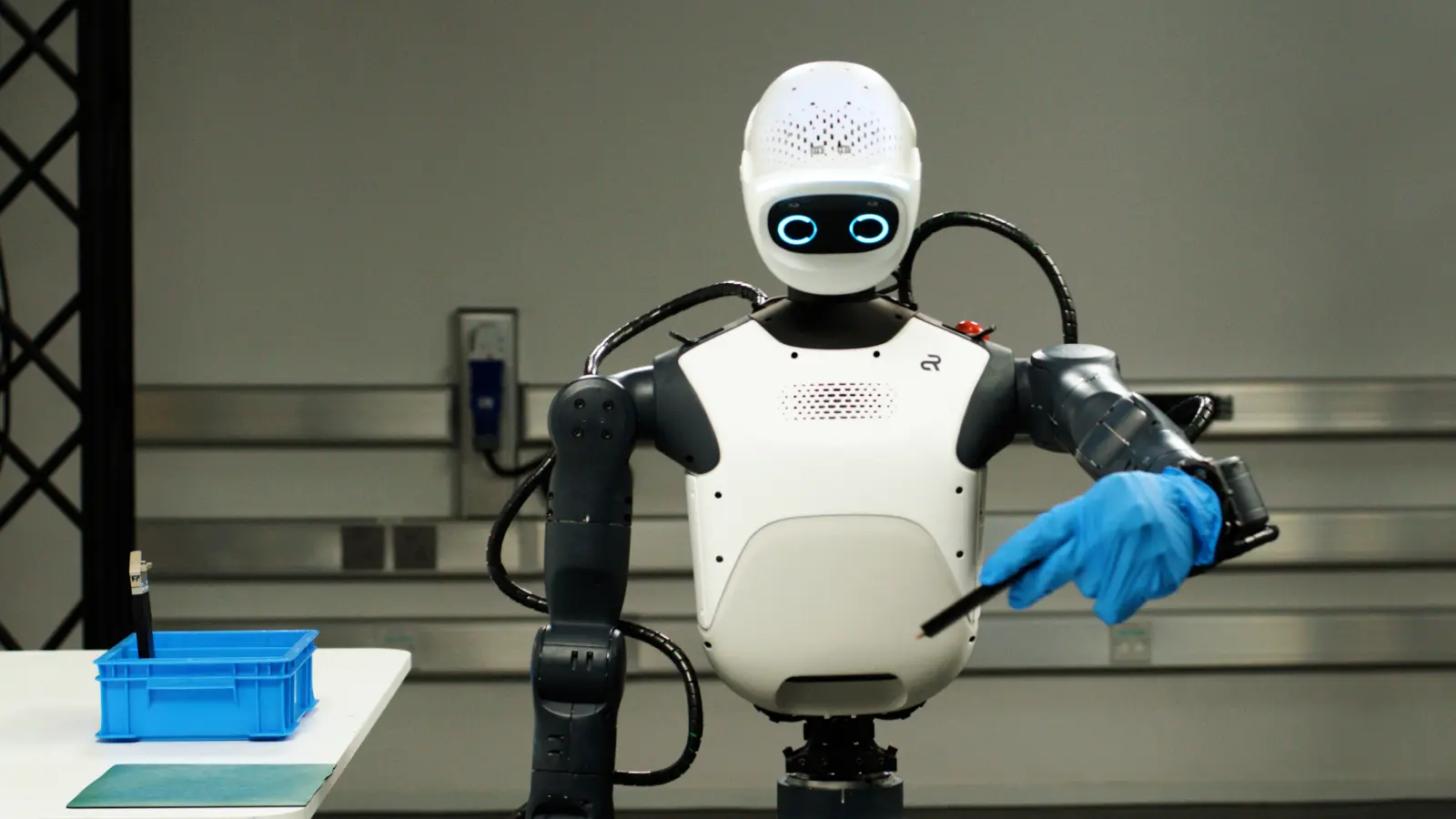
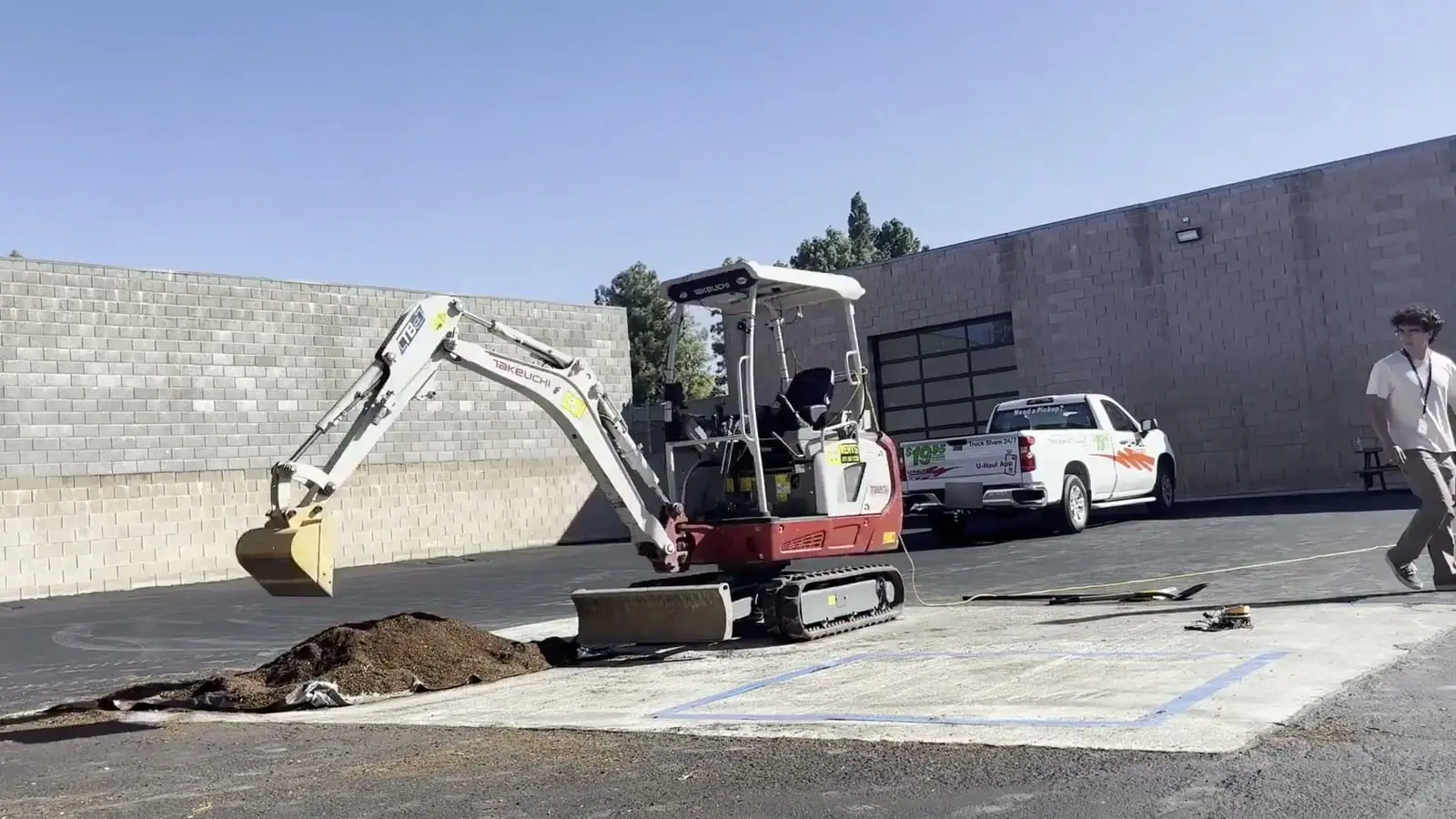
The post shows work by early partners. Actor, based in Utah, runs an autonomous wheel loader that scoops material and loads a dump truck during a commercial deployment with no operator in the cab. Almond in San Francisco builds Axol, a two-armed robot; its team iterated with the Pi API for four days, and Axol now deburrs spacers used in its own assembly. Other partners listed include AgRobotics, Argon Robotics, Chef Robotics, CloudChef, Deft, Dream Machines, Formic Robotics, Foundry, Omakase, Ultra, Weave and Yondu.
Physical Intelligence says the deployments ran from Japan to Switzerland and across the United States, mostly with inference hosted in the cloud, and that some partners had to deal with network connectivity problems. That is a real constraint for robots that depend on a remote model to act.
What changed for robot makers
Until now a company that wanted to use Physical Intelligence models had two routes: run the open-source π0 or π0.5 weights itself, or partner with the company directly. The API adds a managed path in which data upload, training and serving are handled for the customer, much like the fine-tuning services that language model companies sell. NVIDIA's Cosmos Framework, announced eight days later, lists Pi0.5 among the models it can fine-tune and deploy. Figure, by contrast, trains its Helix model in-house.
What to watch next
The points to watch are pricing, the move from waitlist to general access, latency guarantees for cloud-hosted control, and whether on-premises inference becomes an option for sites with weak connectivity. Supported robot types beyond the partner examples are also not listed, so the first public documentation for the API will matter. More robot model stories are under Robotics & Physical AI.
What changed
| Before | Physical Intelligence models were available as open-source π0 and π0.5 weights or through direct partnerships |
|---|---|
| After | A Pi API beta offers data upload, managed fine-tuning and hosted inference for robot makers on a waitlist |
| Who it affects | Robot start-ups and equipment makers that want a general robot model without running their own training stack |
Questions people ask
- What is the Pi API?
- A beta service from Physical Intelligence, announced on 13 October 2026, that lets robot makers upload data, fine-tune the company's latest model on managed compute and run it through a hosted gateway.
- How much does the Pi API cost?
- Pricing is not stated in the announcement. Access is through a waitlist.
- Which companies have used the Pi API?
- The post names Actor, Almond, AgRobotics, Chef Robotics, CloudChef, Formic Robotics, Ultra, Weave, Yondu and others.
Sources
- Frontier Models for Every Robot: Announcing our API beta (Physical Intelligence, 13 Oct 2026)
- Open Sourcing π0 (Physical Intelligence, 4 Feb 2025)
- π0.7: a Steerable Model with Emergent Capabilities (Physical Intelligence, 16 Apr 2026)
Reference pages
- Physical Intelligence company
Spotted an error? See the corrections policy and tell the editor. Facts in this story come from the sources listed above; vendor claims are attributed.
Comments
Loading comments.