Xiaomi open-sources MiMo-V2.6 Pro, a 1.02T-parameter omnimodal model, under the MIT licence
Xiaomi released MiMo-V2.6-Pro and MiMo-V2.6-Flash on 22 September 2026 with open MIT weights, a 1M-token context and API prices unchanged from V2.5.
By Emre AlemdarPublished
 Tech AI Latest
Xiaomi released the MiMo-V2.6 series on 22 September 2026 with open weights under the MIT licence. MiMo-V2.6-Pro is a mixture-of-experts model with 1.02 trillion total and 42 billion active parameters, and MiMo-V2.6-Flash has 309 billion and 15 billion. Both take text, image, video and audio and handle 1 million tokens of context. Xiaomi also published its RL training code and environments, and kept API prices at V2.5 levels.
Key facts
- Announced: 22 September 2026 (Xiaomi MiMo blog)
- MiMo-V2.6-Pro: 1.02T total, 42B active parameters; MiMo-V2.6-Flash: 309B total, 15B active
- Context window: 1M tokens; input: text, image, video and audio
- Licence: MIT on the Hugging Face model cards
- API: Pro $0.435 input (cache miss) and $0.87 output per 1M tokens; Flash $0.14 and $0.28
- Xiaomi says Pro scores 46.32 on the Artificial Analysis Intelligence Index v4.3
What Xiaomi released
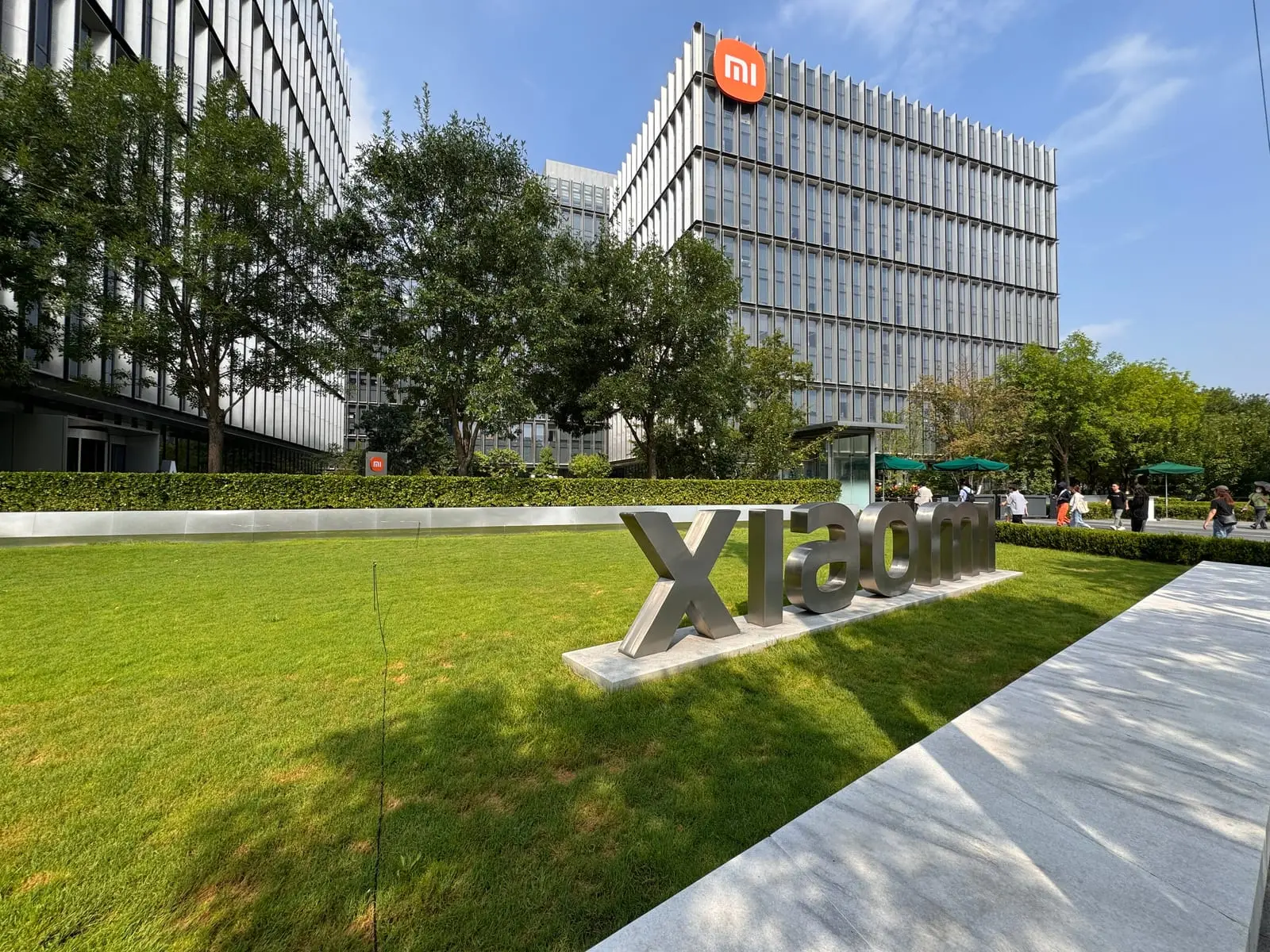
Xiaomi announced the MiMo-V2.6 series on 22 September 2026 in a post on its MiMo site, saying it was "releasing and open-sourcing" two natively omnimodal models. MiMo-V2.6-Pro is its most capable model to date. MiMo-V2.6-Flash is the cheaper option. Xiaomi also launched MiMo-V2.6-Pro-UltraSpeed, a mode it says delivers up to 20 times faster output at the same quality.
The Pro model card lists a sparse mixture-of-experts design with 1.02 trillion total and 42 billion activated parameters, 384 routed experts with 8 active per token, and a 1M-token context. A 681-million-parameter vision encoder and a separate audio encoder feed the language backbone. The Flash card lists 309 billion total and 15 billion active parameters. Both checkpoints carry the MIT licence, which allows commercial use and modification.
What Xiaomi claims about training and benchmarks
Xiaomi says MiMo-V2.6-Pro scores 46.32 on the Artificial Analysis Intelligence Index v4.3, ahead of Kimi K3 and Qwen3.8 Max, and calls it the strongest open-source model to date. That ranking is Xiaomi's reading of a third-party index at the time of the post.
The company streamed its reinforcement learning run live. It says each model completed 30 RL steps over about 750,000 trajectories in under six days. The run cost about $0.85 million for Flash and $2.62 million for Pro. On the held-out DeepSWE v1.1 coding benchmark, Xiaomi reports Flash rising from 48.8 to 65.68 and Pro from 58.4 to 72.57. Xiaomi says it is publishing the technical report, the training environments and the RL code so others can reproduce the results.
What changed for developers
The API price did not change from the V2.5 series. Per million tokens, Pro costs $0.435 for input on a cache miss, $0.0036 on a cache hit and $0.87 for output. Flash costs $0.14, $0.0028 and $0.28. UltraSpeed mode costs ten times the Pro rate. Both models are available in Xiaomi's AI Studio, MiMo Code and MiMo Desktop apps, on the MiMo API Platform and on OpenRouter. MiMo Desktop left early access with this release.
For self-hosting, the 1.02-trillion-parameter Pro checkpoint needs data center hardware, while Flash is the more practical download. The MIT licence puts no field-of-use or revenue limits on either. That is looser than the research-only terms Alibaba chose two days earlier for its image model, covered in Qwen-Image-2.1's licence story.
What to watch next
Xiaomi added further checkpoints to its Hugging Face page after launch, including MOPD variants of Pro and Flash dated 27 September. Independent runs of the Artificial Analysis index and DeepSWE will show whether the claimed lead holds. Other open-weight launches are collected under Open Source AI.
What changed
| Before | MiMo-V2.5-Pro was Xiaomi's top open model, at the same API prices |
|---|---|
| After | MiMo-V2.6-Pro (1.02T total, 42B active) and MiMo-V2.6-Flash (309B, 15B active) with 1M context, MIT licence, plus open RL code and environments |
| Who it affects | Developers self-hosting large open models; API users of Xiaomi's MiMo platform and OpenRouter |
Questions people ask
- Is MiMo-V2.6 open source?
- The weights for MiMo-V2.6-Pro and MiMo-V2.6-Flash are on Hugging Face under the MIT licence, and Xiaomi says it also released the technical report, RL training code and environments.
- How much does the MiMo-V2.6-Pro API cost?
- Xiaomi lists $0.435 per million input tokens on a cache miss, $0.0036 on a cache hit and $0.87 per million output tokens, the same as V2.5.
- What is the context window of MiMo-V2.6?
- Both Pro and Flash support 1 million tokens, according to their model cards.
Sources
- Introducing MiMo-V2.6 series (Xiaomi MiMo, 22 Sep 2026)
- MiMo-V2.6-Pro-RL model card (Xiaomi MiMo (Hugging Face), 22 Sep 2026)
- XiaomiMiMo organisation on Hugging Face (Xiaomi MiMo (Hugging Face), 27 Sep 2026)
- MiMo-V2.6-Flash-RL model card (Xiaomi MiMo (Hugging Face), 22 Sep 2026)
Reference pages
- MiMo-V2.6-Pro model
- MiMo-V2.6-Flash model
- Xiaomi company
Spotted an error? See the corrections policy and tell the editor. Facts in this story come from the sources listed above; vendor claims are attributed.
Comments
Loading comments.